One of the greatest hacks of hosting a podcast is that it creates an opportunity to speak with your favorite authors. My favorite read of 2025 was "John & Paul: A Love Story in Songs" by Ian Leslie. It’s a beautifully told biography of the creative partnership that changed history. I laughed, I cried, and I constantly had to put the book down just to re-listen to the tracks Ian was describing.
Ian is a veteran of the advertising and brand strategy world, and he also writes one of my favorite Substacks, The Ruffian. This presented an angle for me to reach out to Ian. A podcast about The Beatles music wouldn't fit my show, but a podcast about their impact on marketing absolutely would. Plus this gave Ian a fresh angle to talk about John & Paul, outside of the usual biographical talking points that he was asked hundreds of times about on his book tour.
This was one of my favorite podcast episodes I recorded for "A History of Marketing" even though it wasn't the most popular with listeners in terms of streams and downloads. (I wonder if I chose a bad title for it?) Anyway, I hope this finds its audience someday because it's a great conversation and it's an episode I'm proud of.
Here are 10 ways The Beatles changed pop music marketing.
1) Creating a New Category
The industry in the early '60s was built around solo stars with backing bands. Elvis Presley, Buddy Holly and the Crickets, etc. But The Beatles refused to have a frontman.
By insisting on a collective identity, they essentially created a new category. They weren't satisfied with the "solo singer" options available, so they invented their own future where the group itself was the star.
2) Vertical Integration
In 1963, John and Paul were already practicing what we now call vertical integration. They wrote, performed, and recorded their own material, which was almost unheard of for a pop group at the time.
By controlling the content from the initial idea to the final recording, they moved beyond being mere entertainers and became a self-contained brand.

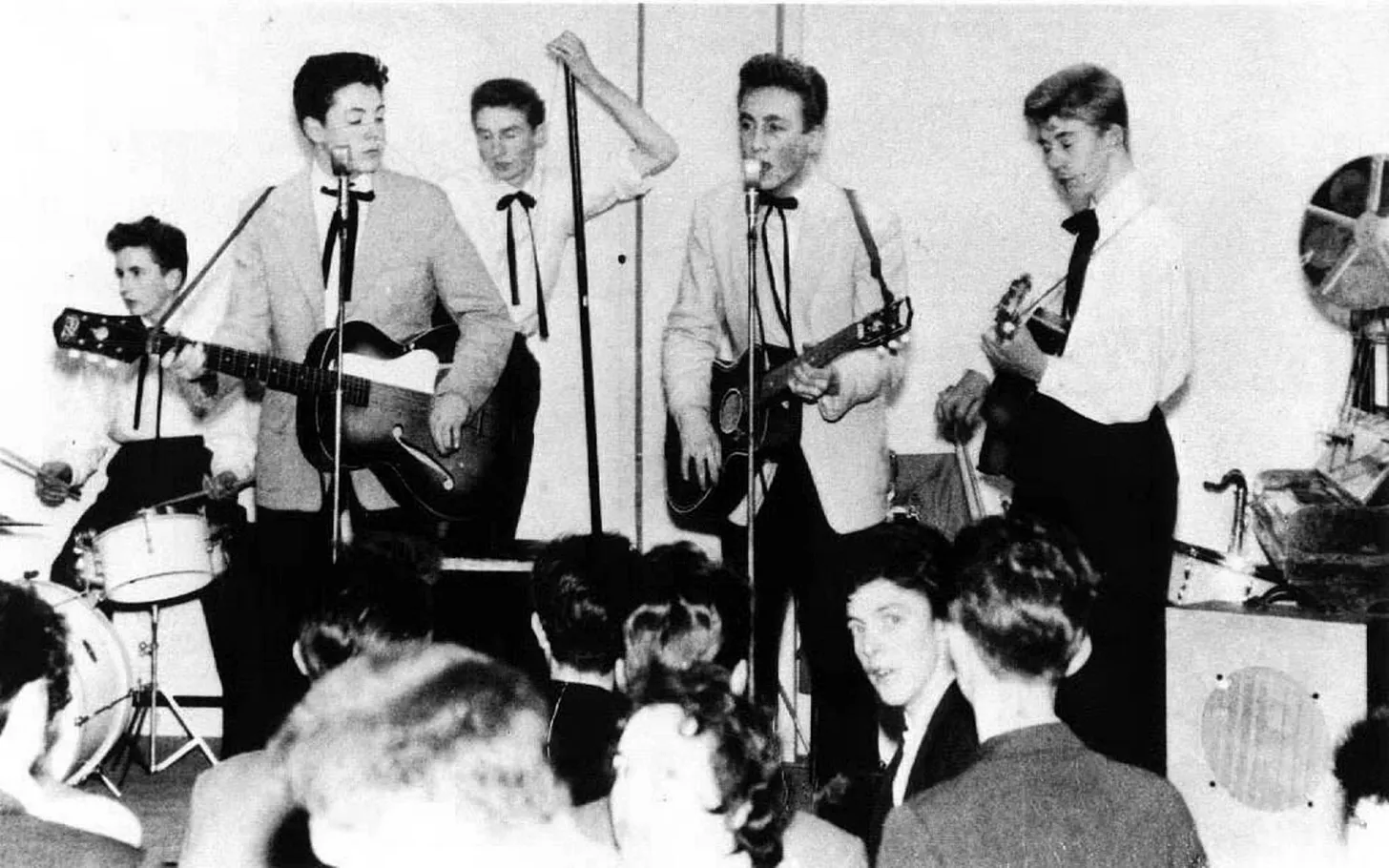
3) The name "The Beatles" as branding bet that paid off
"The Beatles" is actually a pretty weird, cheesy pun on "beat" music. Ian and I discussed how names like this are high-risk because they don’t describe the product (much like "Apple").
However, once the audience "gets" it, they feel like they’re part of a club. It was short, punchy, and a massive upgrade over "The Quarrymen," which was far too local to ever go global.
4) Personas as a Product Range
The band created what Ian calls "vividly drawn but crude cartoons." You had the wit (John), the cute one (Paul), the quiet one (George), and the clown (Ringo).
This was a marketing win because it provided a "product range" within one group. Fans could pick a "favorite," which gave people four different ways to connect with the brand.
5) Building a community of super-fans by going direct
Long before Substack or social media, The Beatles had their annual Christmas records. These were raw, improvised, and mailed directly to their fan club.
It bypassed the traditional media filter and made the fans feel like they were in the room with the band. It was an example of community management before that term even existed.
6) The "Big Tent" Strategy
They started with a core audience of teenage girls, but they never talked down to them. They even covered "Boys" by the Shirelles, a Girl Group band.
As their music evolved into sophisticated territory like Sgt. Pepper, they didn't pivot away from their base. They simply invited everyone else in. They grew from a teen phenomenon into a universal brand that captured everyone from counter-culture rebels to their parents.
7) Extending to Multimedia as an Art Form
They weren't the first band to make movies, but The Beatles decided their films should actually be good. They worked with a talented team for A Hard Day’s Night, creating a film that stands up as art rather than just a promotional tool. It's much better than any Elvis movie ever made.
They extended to From animation with Yellow Submarine and the fly-on-the-wall documentary style of Let It Be. They tested TV specials with Magical Mystery Tour (though not as successful, its still artful), and the "All You Need Is Love" global broadcast. They used multimedia to expand their world rather than just sell tickets.
8) Prioritizing Value Creation over Value Capture
The Beatles refused to make a quick buck. Their non-album singles are a great example of this.
The Beatles had a habit of recording world-class songs like "Hey Jude" or "Strawberry Fields Forever" and leaving them off their albums. This was a deliberate effort to not "rip off" the fans.
They wanted to provide value that exceeded the price of admission. This generosity created an unbreakable bond with an audience that always felt they were getting more than they paid for.
9) Winning on Every Attribute
In marketing, the brand leader is often the "and" brand. Ian used the example of Andrex toilet paper: "soft, strong, and long." Most brands have to pick one, but the leader takes them all.
The Beatles were the artists and the hitmakers, the rebels and the charmers.
This forced competitors like The Rolling Stones to pick a specific "rebel" niche just to find space in the market. No other rock band could ever be as big as The Beatles, because they forced others to counterposition themselves to compete.
10) Managing their image, with an authentic core
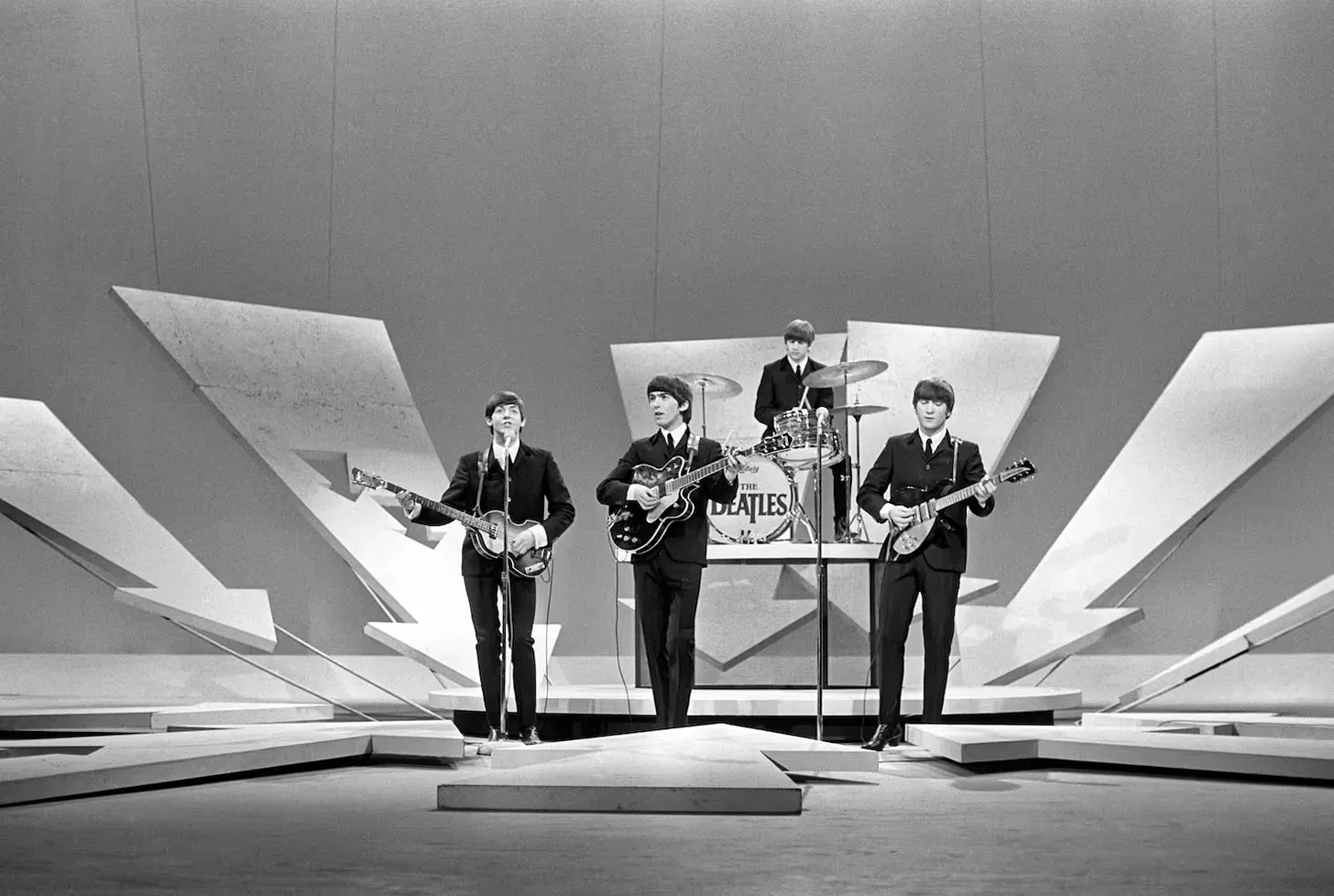
Their manager, Brian Epstein, "sanitized" them by putting them in suits. But the band was savvy about this compromise. They took the cue to smarten up for TV but chose cool, collarless Yves Saint Laurent-influenced jackets. They evolved their style to reflect the transition from black & white to color.
They understood that you have to meet the market where it is to break into the mainstream, but they refused to lose their individual edge. They spoke directly to the press, with unpolished Liverpudlian accents. John got them into trouble with "bigger than Jesus" comments, then won their fans back with a sincere, unrehearsed apology (or non-apology).
It reminds me a lot of how the worlds biggest brands have CEOs and founders are being their authentic selves on X / Twitter, while marketing teams maintain a professional company brand.
That blend of professionalism and purity is why The Beatles brand has endured to this day.